- Angola, Uíge
- Bangladesh, Dhaka
- Bangladesh, Sylhet
- Bangladesh, Tanguar Haor
- Brazil, São Paulo
- Chile, Iquique
- Egypt, Luxor
- Ethiopia, Addis Ababa
- Ghana, Accra
- Ghana, Tema
- Ghana, Tema Manhean
- Guinee, Fria
- India, Ahmedabad
- India, Chandigarh
- India, Delhi
- India, Indore
- India, Kerala
- India, Mumbai
- India, Nalasopara
- India, Navi Mumbai
- Iran, multiple
- Iran, Shushtar
- Iran, Tehran
- Italy, Venice
- Kenya, Nairobi
- Nigeria, Lagos
- Peru, Lima
- Portugal, Evora
- Rwanda, Kigali
- Senegal, Dakar
- Spain, Madrid
- Tanzania, Dar es Salaam
- The Netherlands, Delft
- United Kingdom, London
- United States, New York
- United States, Willingboro
- 2020-2029
- 2010-2019
- 2000-2009
- 1990-1999
- 1980-1989
- 1970-1979
- 1960-1969
- 1950-1959
- 1940-1949
- 1930-1939
- 1920-1929
- 1910-1919
- 1900-1909
- high-rise
- incremental
- low-rise
- low income housing
- mid-rise
- new town
- participatory design
- sites & services
- slum rehab
- Marion Achach
- Tanushree Aggarwal
- Rafaela Ahsan
- Jasper Ambagts
- Trupti Amritwar Vaitla (MESN)
- Mecanoo Architects
- Purbi Architects
- RAAS Architects
- Deepanshu Arneja
- Tom Avermaete
- W,F,R. Ballard
- Ron Barten
- Michele Bassi
- A. Bertoud
- Romy Bijl
- Lotte Bijwaard
- Bombay Improvement Trust
- Fabio Buondonno
- Ludovica Cassina
- Daniele Ceragno
- Jia Fang Chang
- Jinfeng Cheng
- Henry S. Churchill
- Bari Cobbina
- Gioele Colombo
- Rocio Conesa Sánchez
- Charles Correa
- Freya Crijns
- Ype Cuperus
- Javier de Alvear Criado
- Coco de Bok
- Wessel de Graaf
- Jose de la Torre
- Junta Nacional de la Vivienda
- Margot de Man
- Jeffrey Deng
- Kim de Raedt
- H.A. Derbishire
- Maya de Ridder
- Pepij Determann
- Anand Dhokay
- Kamran Diba
- Jean Dimitrijevic
- Olivia Dolan
- Youri Doorn
- Constantinus A. Doxiadis
- Jane Drew
- Jin-Ah Duijghuizen
- Michel Écochard
- Marja Elsinga
- Carmen Espegel
- Hassan Fathy
- Federica Fogazzi
- Arianna Fornasiero
- Manon Fougerouse
- Frederick G. Frost
- Maxwell Fry
- Lida Chrysi Ganotaki
- Yasmine Garti
- Mascha Gerrits
- Mattia Graaf
- Greater London Council (GLC)
- Anna Grenestedt
- Vanessa Grossman
- Marcus Grosveld
- Gruzen & Partners
- Helen Elizabeth Gyger
- Shirin Hadi
- Marietta Haffner
- Anna Halleran
- Francisca Hamilton
- Klaske Havik
- Katrina Hemingway
- Dirk van den Heuvel
- Alex Hewitson
- Jeff Hill
- Bas Hoevenaars
- S. Holst
- Maartje Holtslag
- Housing Development Project Office
- Genora Jankee
- Henk Jonkers
- Michel Kalt
- Anthéa Karakoullis
- Hyosik Kim
- Stanisław Klajs
- Stephany Knize
- Bartosz Kobylakiewicz
- Tessa Koenig Gimeno
- Mara Kopp
- Beatrijs Kostelijk
- Annenies Kraaij
- Aga Kus
- Sue Vern Lai
- Yiyi Lai
- Isabel Lee
- Monica Lelieveld
- Jaime Lerner
- Levitt & Sons
- Lieke Lohmeijer
- Femke Lokhorst
- Fleur A. Luca
- Qiaoyun Lu
- Danai Makri
- Isabella Månsson
- Mira Meegens
- Rahul Mehrotra
- Yadie Meko
- Andrea Migotto
- Harald Mooij
- Julie Moraca
- Nelson Mota
- Municipality of Addis Ababa
- Dennis Musalim
- Daniela Míková
- Timothy Nelson Stins
- NGO Red Barna-Ethiopia
- Gabriel Ogbonna
- Federico Ortiz Velásquez
- Mees Paanakker
- Sameep Padora
- Santiago Palacio Villa
- Antonio Paoletti
- Caspar Pasveer
- Casper Pasveer
- V. Phatak
- Andreea Pirvan
- PK Das & Associates
- Daniel Pouradier-Duteil
- Michelle Provoost
- Pierijn van der Putt
- Wido Quist
- Cristian Rancati
- Frank Reitsma
- Raj Rewal
- Robert Rigg
- Robin Ringel
- Charlotte Robinson
- Roberto Rocco
- Laura Sacchetti
- Francisco Javier Sáenz de Oiza
- Carolina Sanchez Barbero
- Ramona Scheffer
- Frank Schnater
- Sanette Schreurs
- Tim Schuurman
- Dr. ir. Mohamad Ali Sedighi
- Sara Seifert
- Self-built
- Zhuo-ming Shia
- Geneviève Shymanski
- Manuel Sierra Nava
- Carlos Silvestre Baquero
- Mo Smit
- Christina Soediono
- Sunny Sou
- Joelle Steendam
- Simona Subačiūtė
- Marina Tabassum
- Brook Teklehaimanot Haileselassie
- Kaspar ter Glane
- Anteneh Tesfaye Tola
- Carla Tietzsch
- Chiara Tobia
- Fabio Tossutti
- Paolo Turconi
- Burnett Turner
- Unknown
- Frederique van Andel
- Ties van Benten
- Hubert van der Meel
- Anne van der Meulen
- Anja van der Watt
- Marissa van der Weg
- Jan van de Voort
- Cassandre van Duinen
- Maarten van Eijs
- Dick van Gameren
- Annemijn van Gurp
- Mark van Kats
- Bas van Lenteren
- Rens van Poppel
- Rens van Vliet
- Rohan Varma
- Stephan Verkuijlen
- Pierre Vignal
- Gavin Wallace
- W.E. Wallis
- Michel Weill
- Julian Wijnen
- Afua Wilcox
- Ella Wildenberg
- V. Wilkins
- Alexander Witkamp
- Krystian Woźniak
- Jie Yang
- Hatice Yilmaz
- Haobo Zhang
- Yuerong Zhou
- Gonzalo Zylberman
- Honours Programme
- Master thesis
- MSc level
- student analysis
- student design
- book (chapter)
- conference paper
- dissertation
- exhibition
- interview
- journal article
- lecture
- built
- unbuilt
Urban Gender Journey
A Gender-Based Approach to Affordable Urban Housing Design in Sylhet, Bangladesh
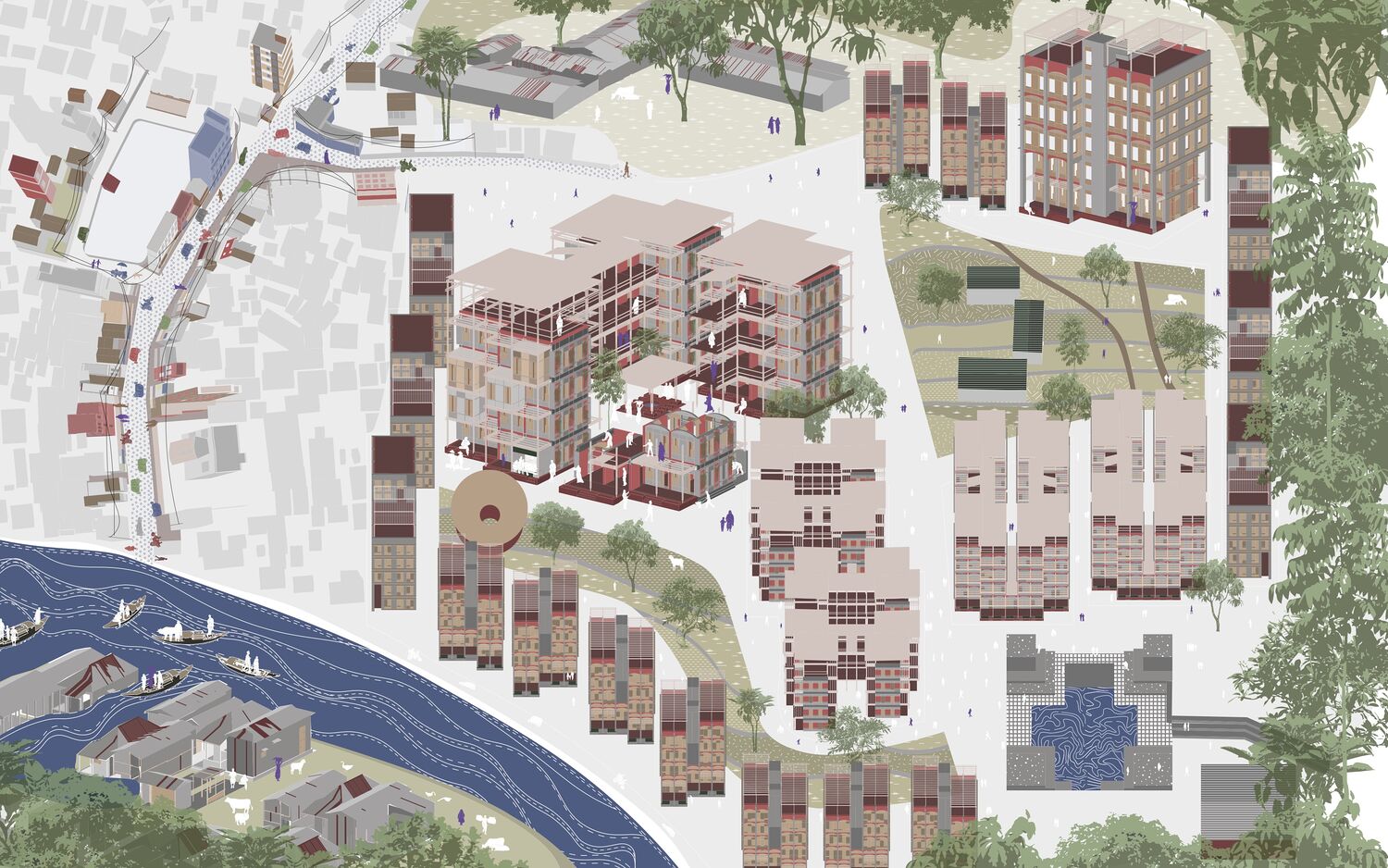
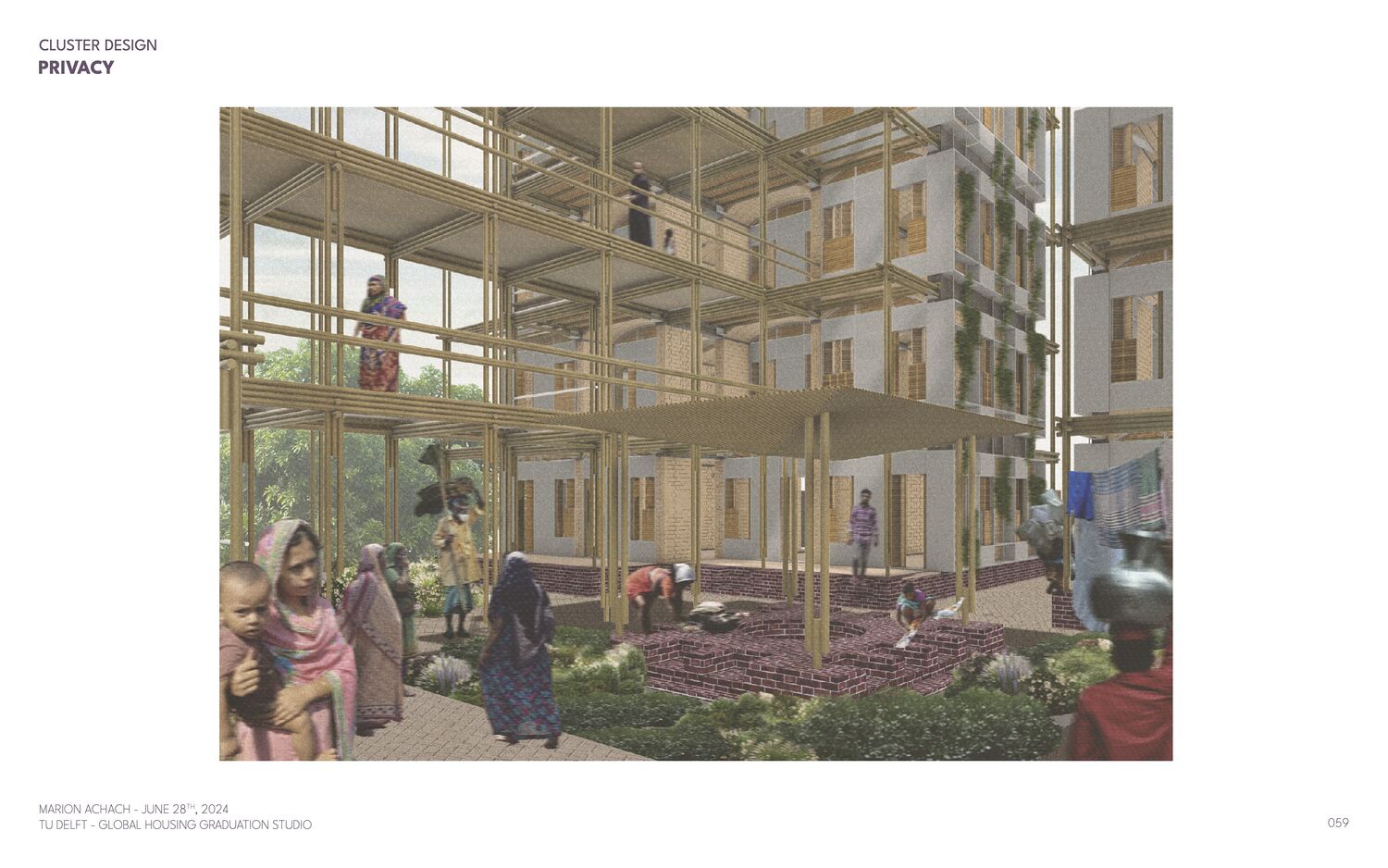
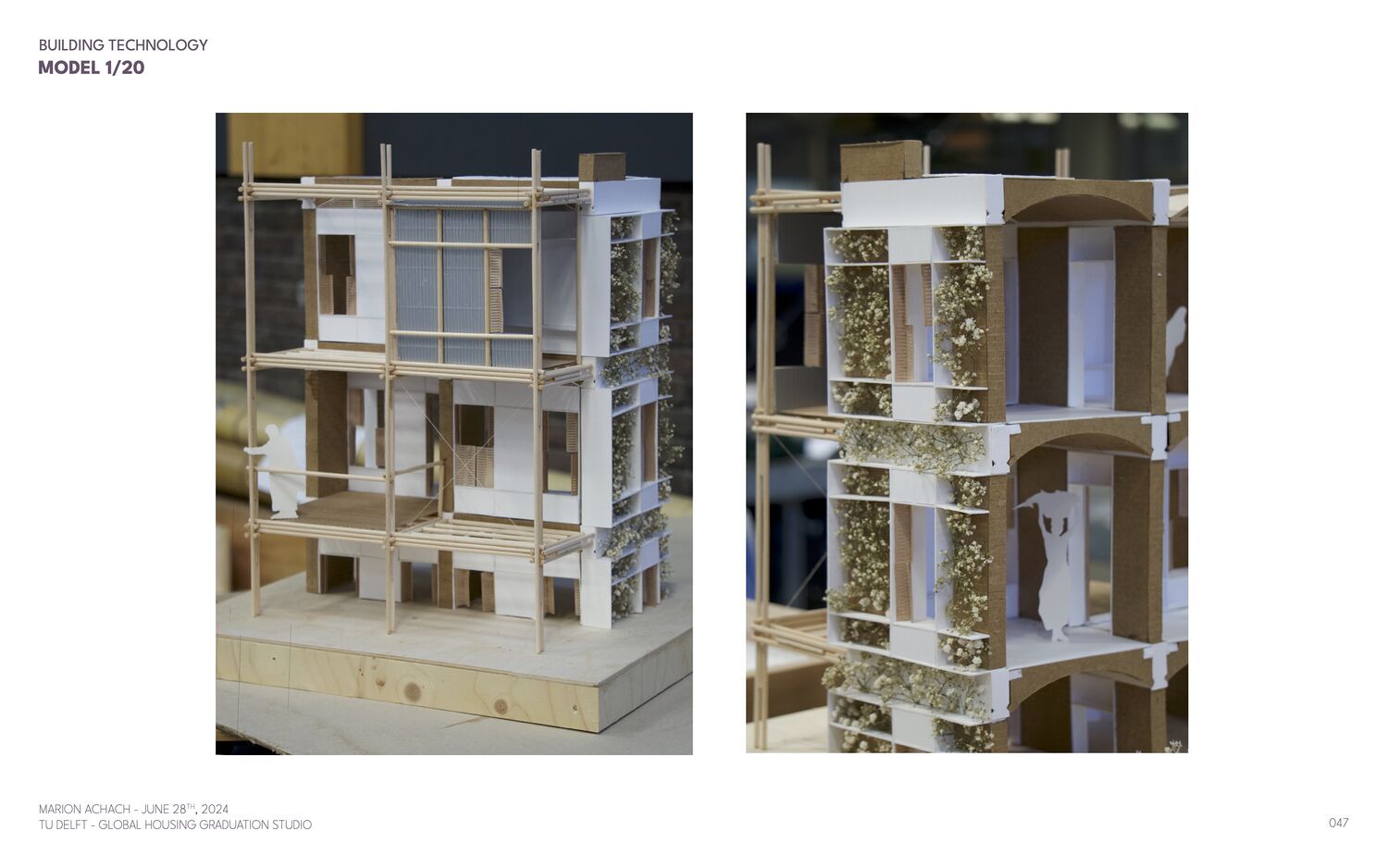
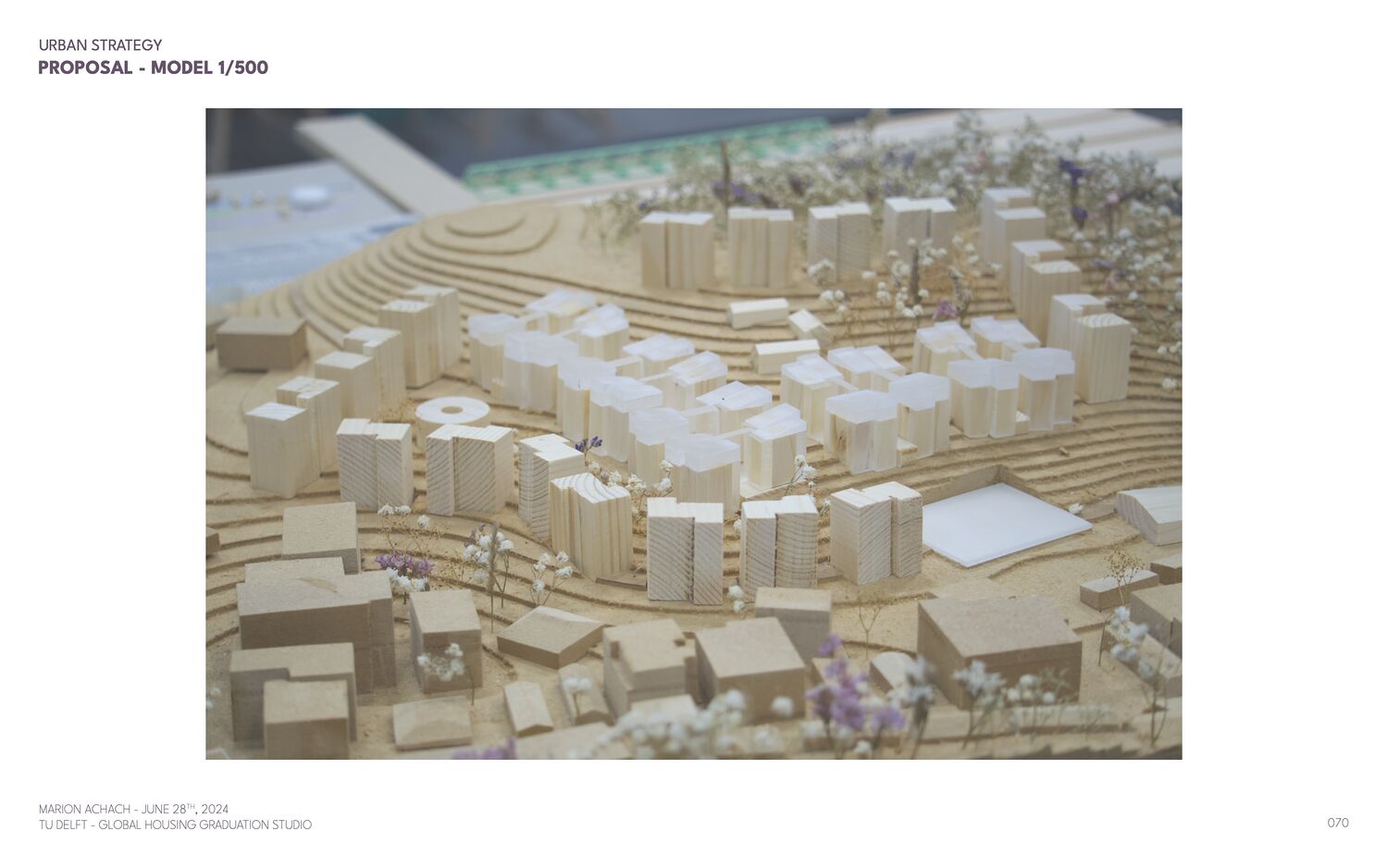
In an increasingly urbanized world, the global challenge is to ensure that cities provide safe and healthy living environments, thriving economies and social benefits for diverse groups for generations to come. Today, more than half the world’s population lives in urban areas, with almost 90% concentrated in Asia and Africa. The trend towards urbanization is set to continue, with city dwellers expected to account for 68% of the world’s population by 2050. In addition, it should be noted that 24.2% of the world’s urban population lives in slums, mainly concentrated in three regions: Central and South Asia (359 million), East and Southeast Asia (306 million) and Sub-Saharan Africa (230 million) (UN, 2020). When examining the drivers of urban growth, one of the main factors to consider is urban migration. The United Nations defines urbanization as the process by which people move from rural areas to cities in search of economic, social, political and environmental opportunities. The decision to migrate is a multi-faceted one, shaped by both “push” factors associated with conditions in the country of origin and “pull” factors associated with the perception of life in the destination country, as described by Lee in 1966.
As urban environments evolve, it is essential to explore the positive effects of a gender-based approach to urban design on social integration, economic growth, and sustainability for all. This research seeks to investigate the potential benefits and challenges of such an approach, its impact on gender disparities, and its overall effect on urban well-being. As such, following Charles Correa’s statement to promote land redistribution and social reform in villages, in order to increase their retention capacity (Correa, 1989), this research focuses on the dynamics and impacts of migration from rural areas to the urban settlements of Sylhet City and how can gender-responsive urban and housing design contribute to habitat improvement of urban poor migrants in growing second-tier cities like Sylhet, Bangladesh?
Image: © Marion Achach, MSc3/4: Architecture of Transition in the Bangladesh Delta (2023/2024)

Image: © Marion Achach, MSc3/4: Architecture of Transition in the Bangladesh Delta (2023/2024)

Image: © Marion Achach, MSc3/4: Architecture of Transition in the Bangladesh Delta (2023/2024)

Image: © Marion Achach, MSc3/4: Architecture of Transition in the Bangladesh Delta (2023/2024)

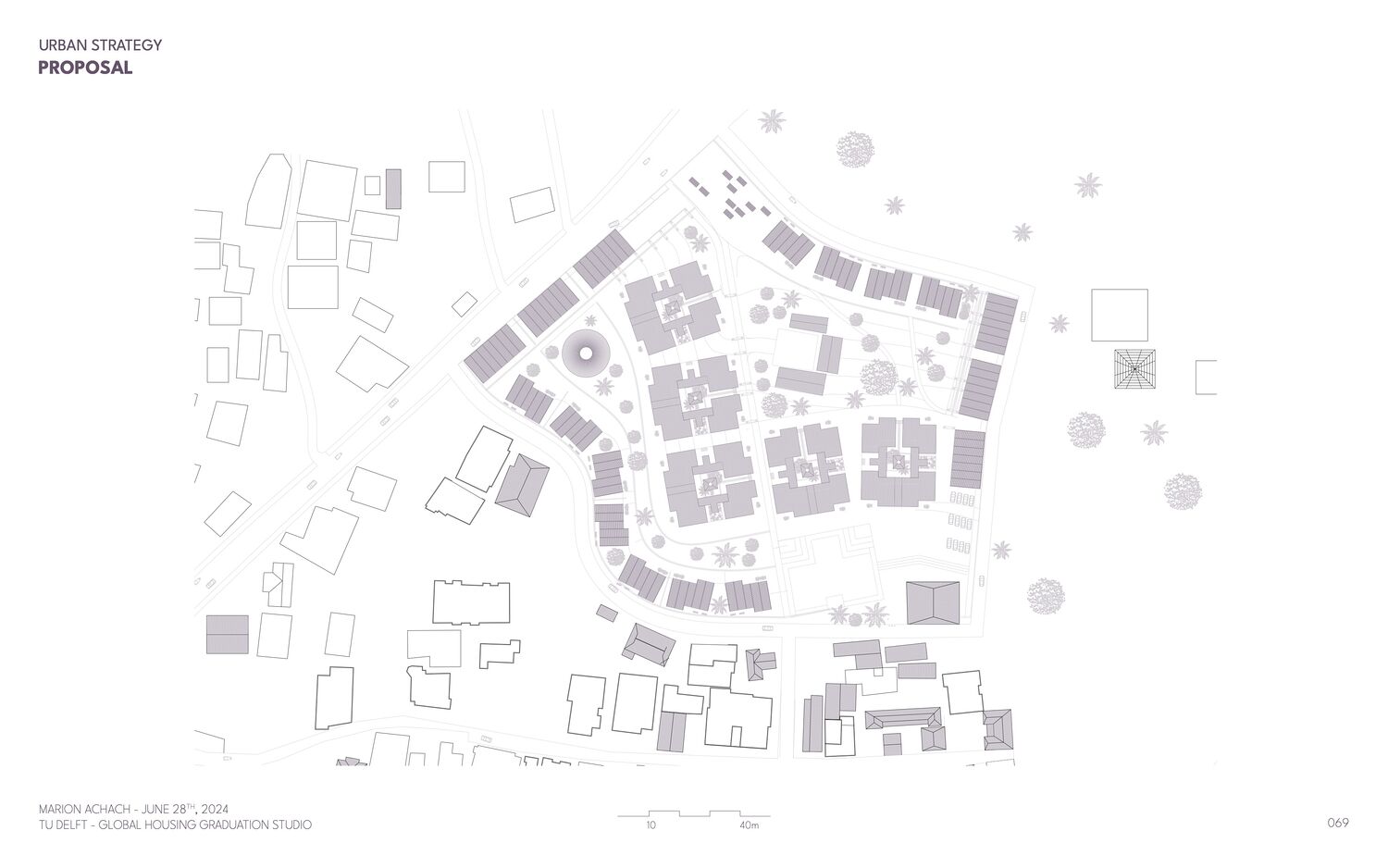
Image: © Marion Achach, MSc3/4: Architecture of Transition in the Bangladesh Delta (2023/2024)

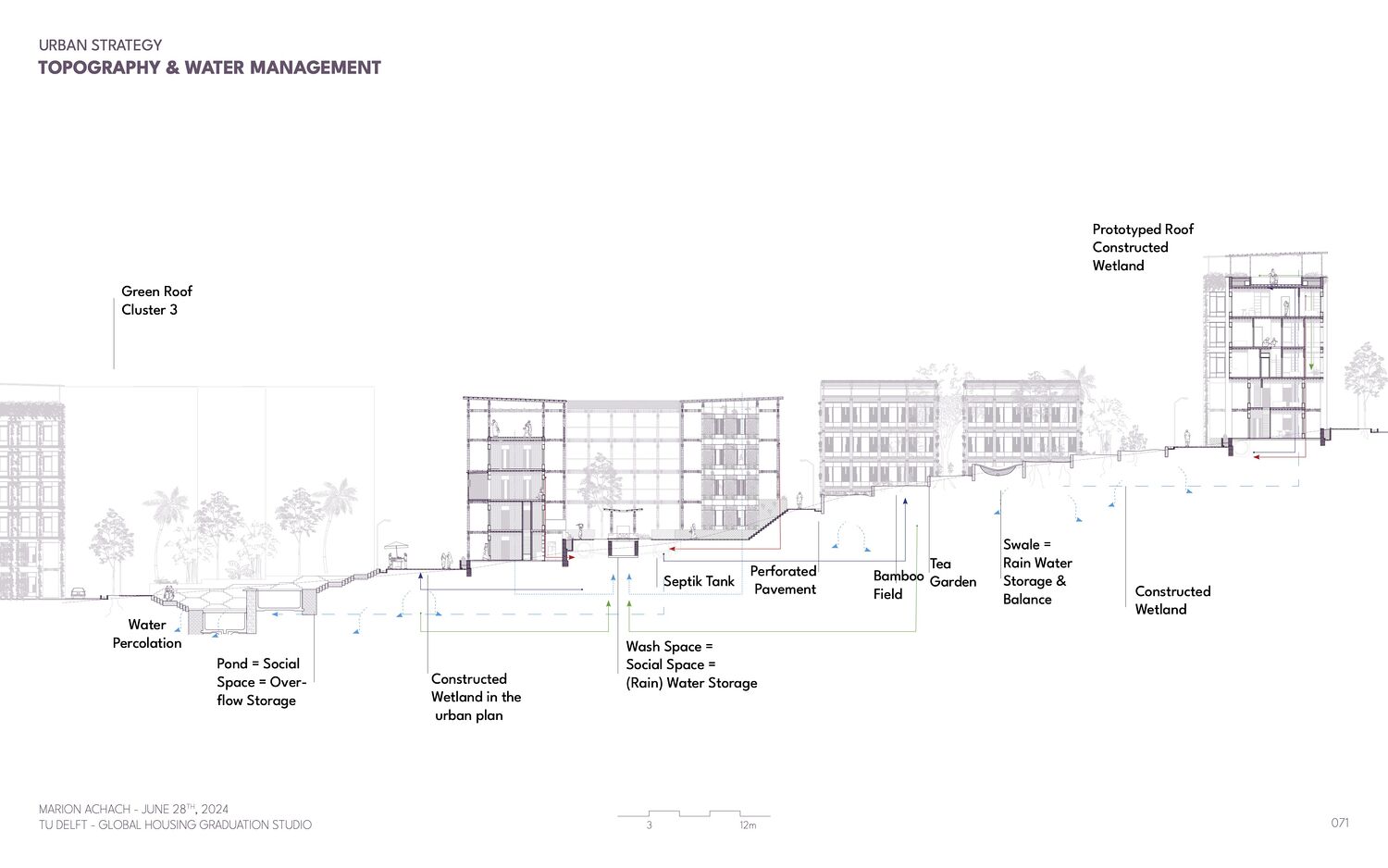
Image: © Marion Achach, MSc3/4: Architecture of Transition in the Bangladesh Delta (2023/2024)

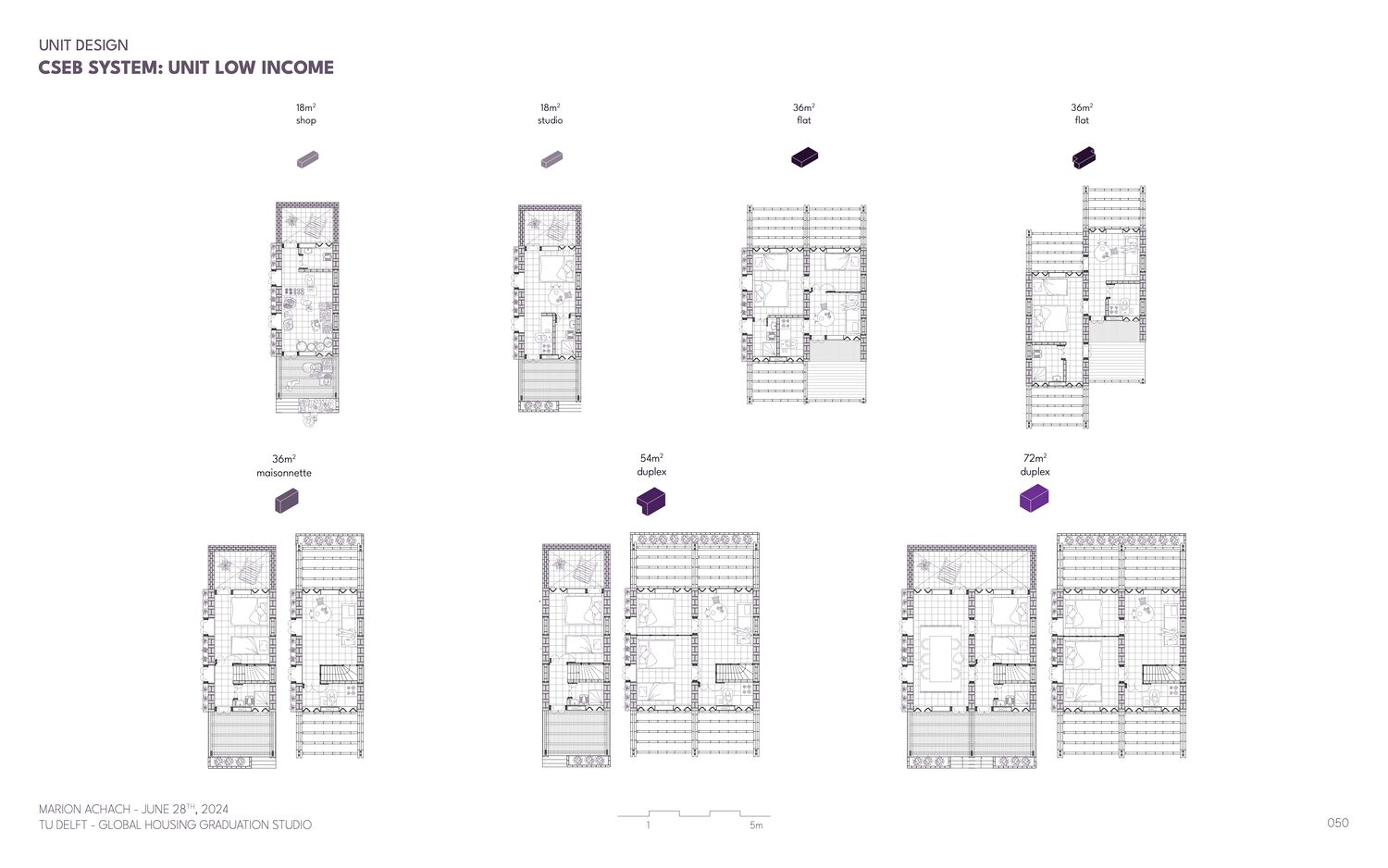
Image: © Marion Achach, MSc3/4: Architecture of Transition in the Bangladesh Delta (2023/2024)

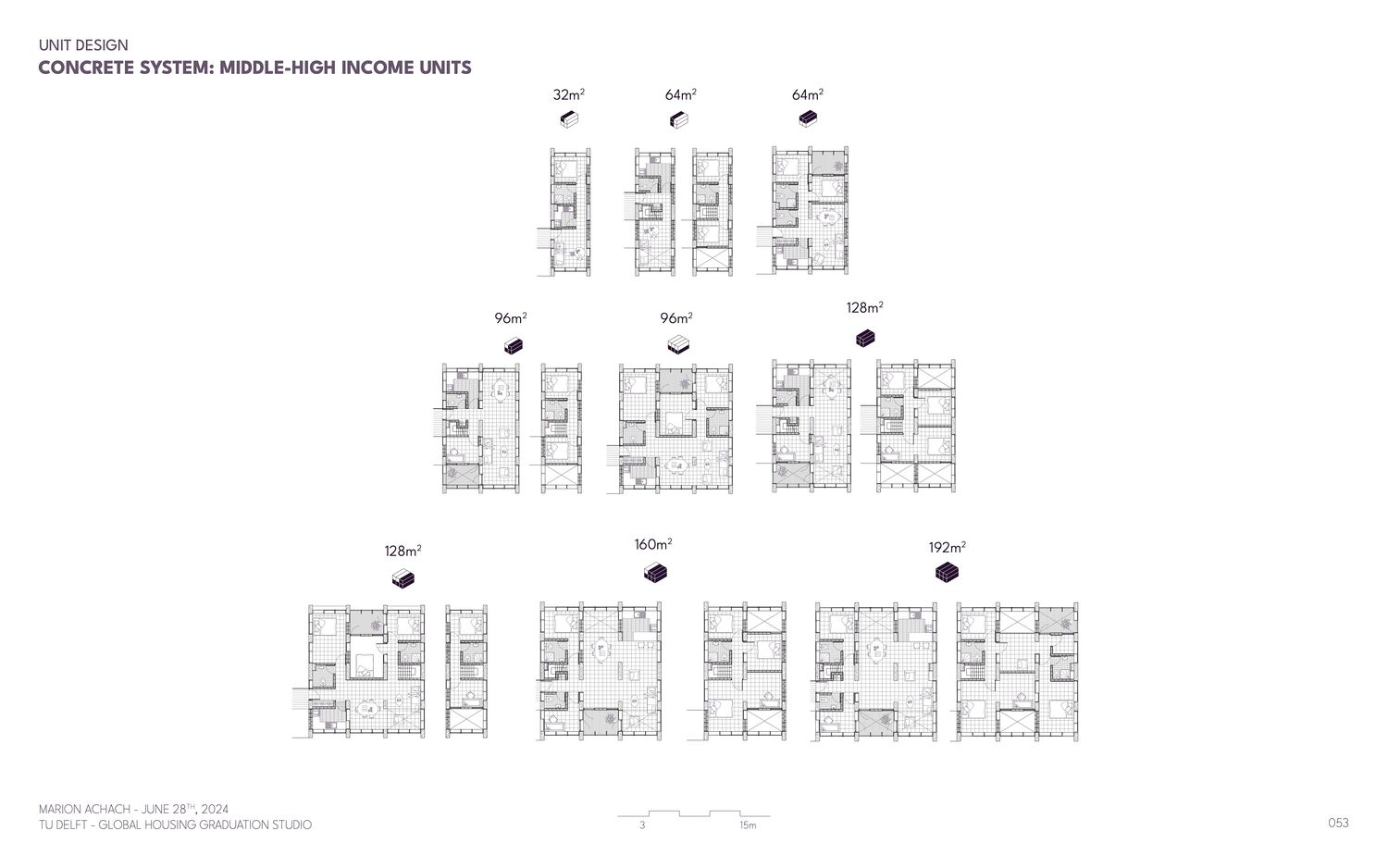
Image: © Marion Achach, MSc3/4: Architecture of Transition in the Bangladesh Delta (2023/2024)

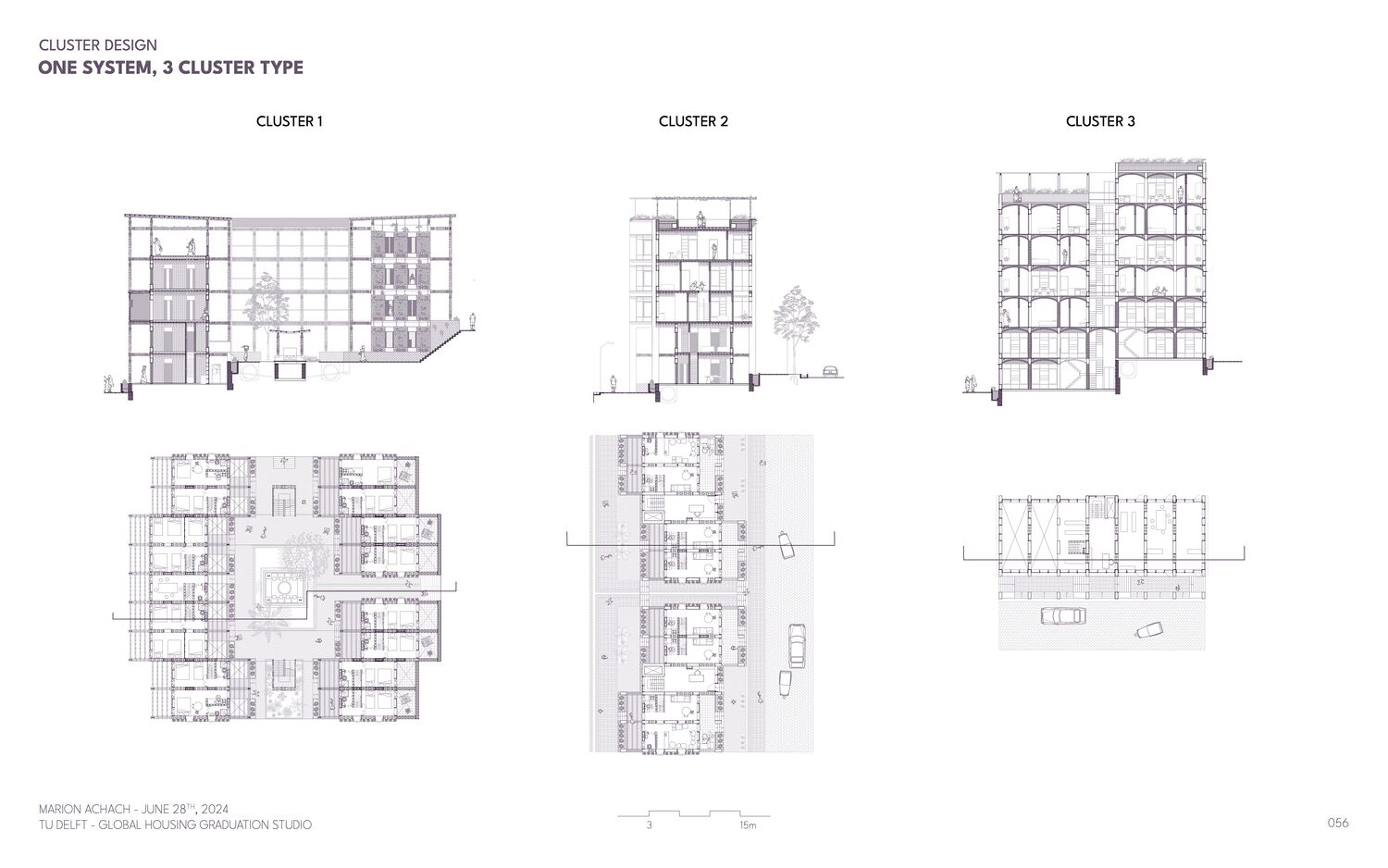
Image: © Marion Achach, MSc3/4: Architecture of Transition in the Bangladesh Delta (2023/2024)

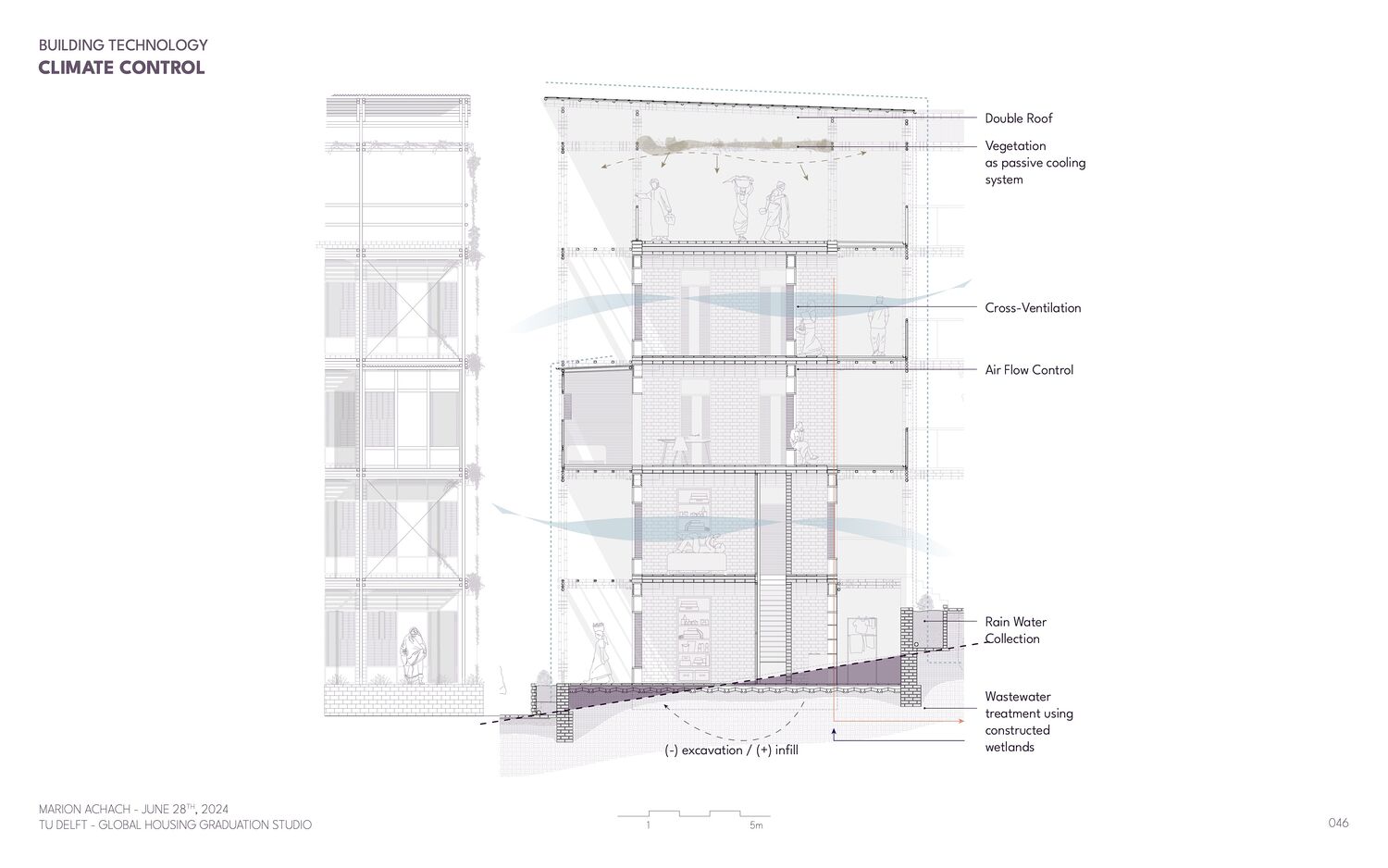
Image: © Marion Achach, MSc3/4: Architecture of Transition in the Bangladesh Delta (2023/2024)
